


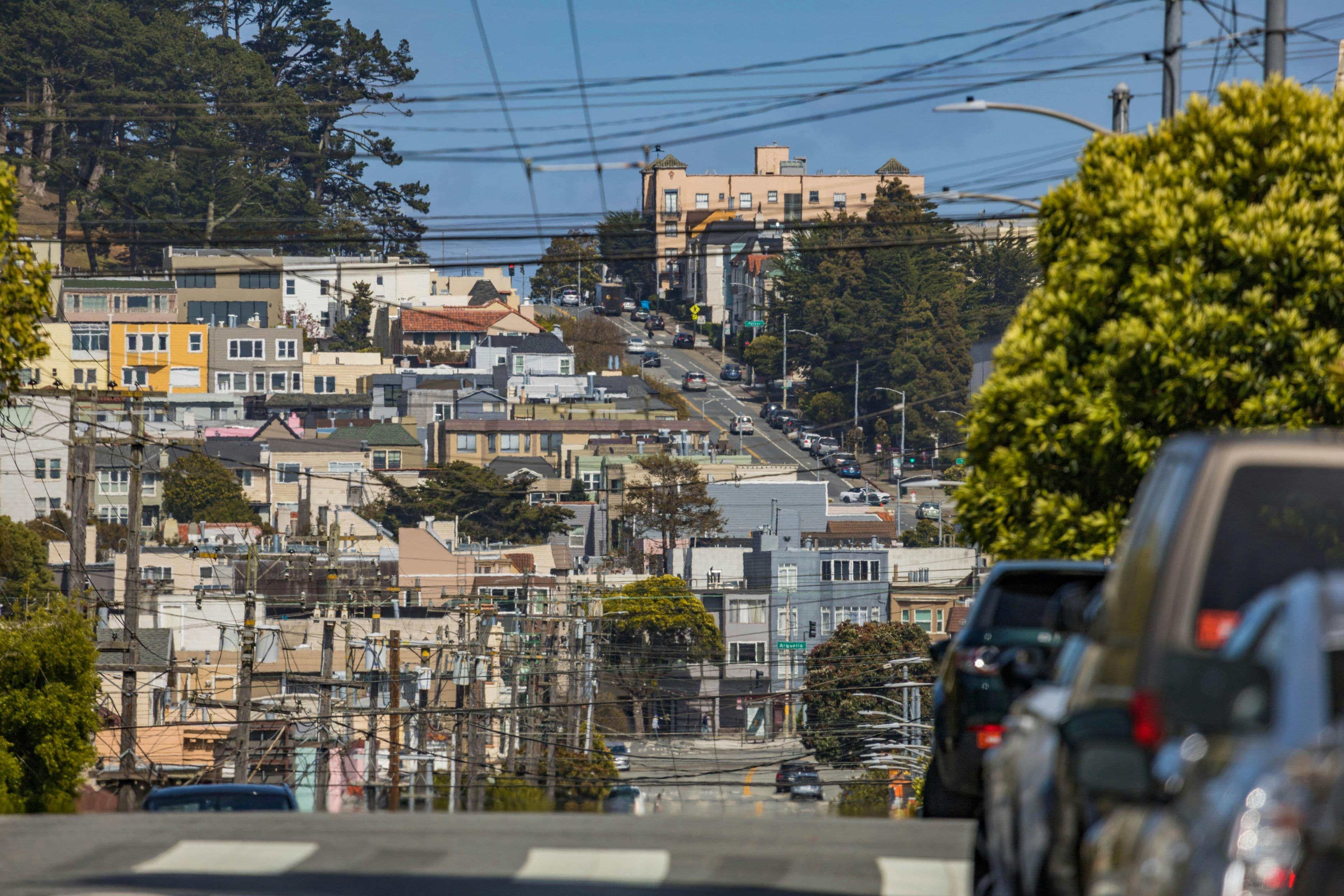
Key takeaways
- Main-road properties trade at around a 6% discount for every 10 decibels of traffic noise, according to a 2024 PropTrack and Ambient Maps study in Victoria.
- The discount is real, but so is the lived cost. Traffic noise is now classified by the World Health Organization as a contributor to cardiovascular disease, sleep disruption and elevated stress.
- What 'main road' actually means depends on your state. Each state transport authority maintains a road classification you can look up before you make an offer.
- Main-road homes can still suit some buyers (close transport, period architecture, higher yields). The point is to weigh the upside against the lived cost, not assume the discount is free money.
What "main road" actually means
Buyers throw the phrase around loosely. The technical answer depends on your state, because each one runs its own road network and uses its own language.
A few terms you will see:
- is the most common umbrella label for "busy road that the state government, not the council, looks after".
- appears on planning instruments and contracts.
- is the data behind the labels. Anything above roughly 10,000 vehicles per day is generally treated as busy.
- is how noise gets reported. A four-lane main road typically sits around 65 dB(A) at the kerb. A six-lane arterial pushes 75 dB(A) or higher.
The other practical reality: a road that does not appear on any state classification can still feel like a main road if it carries school traffic, freight or rat-running commuters. Definitions matter for paperwork. Lived experience matters for everything else.
Where to check the road classification yourself
Each state publishes its road hierarchy online. Use the page for the state you are buying in to verify whether a specific address fronts onto a state-classified road.
These pages will tell you whether a road is state-controlled. They will not always include the traffic count or noise level for the specific address. For that, your conveyancer or buyer's agent can pull the relevant data from the state transport open-data portal.
What it costs in dollars
The market does not ignore traffic. It quietly prices it.
Source: PropTrack and Ambient Maps joint analysis of Victorian sales data, 2024. The discount compounds: an extra 10 decibels gets you another 6% off, on average, across thousands of comparable sales.
To translate that into household numbers: a $900,000 home on a quiet street, moved to a road carrying 10 dB(A) more traffic, would lose around $54,000 of value on the same house. Move it to a louder six-lane arterial and the gap stretches further. The same study found rail-side homes shed around 4% on average even with the convenience of a station nearby.
Why is the discount so consistent? Two reasons. First, every prospective buyer who walks through hears the road. There is no concealing it. Second, lenders and valuers price comparable sales of similarly noise-affected stock, so the discount sticks across cycles. It does not melt away when the market runs hot.
Priya and Liam: same suburb, two streets apart
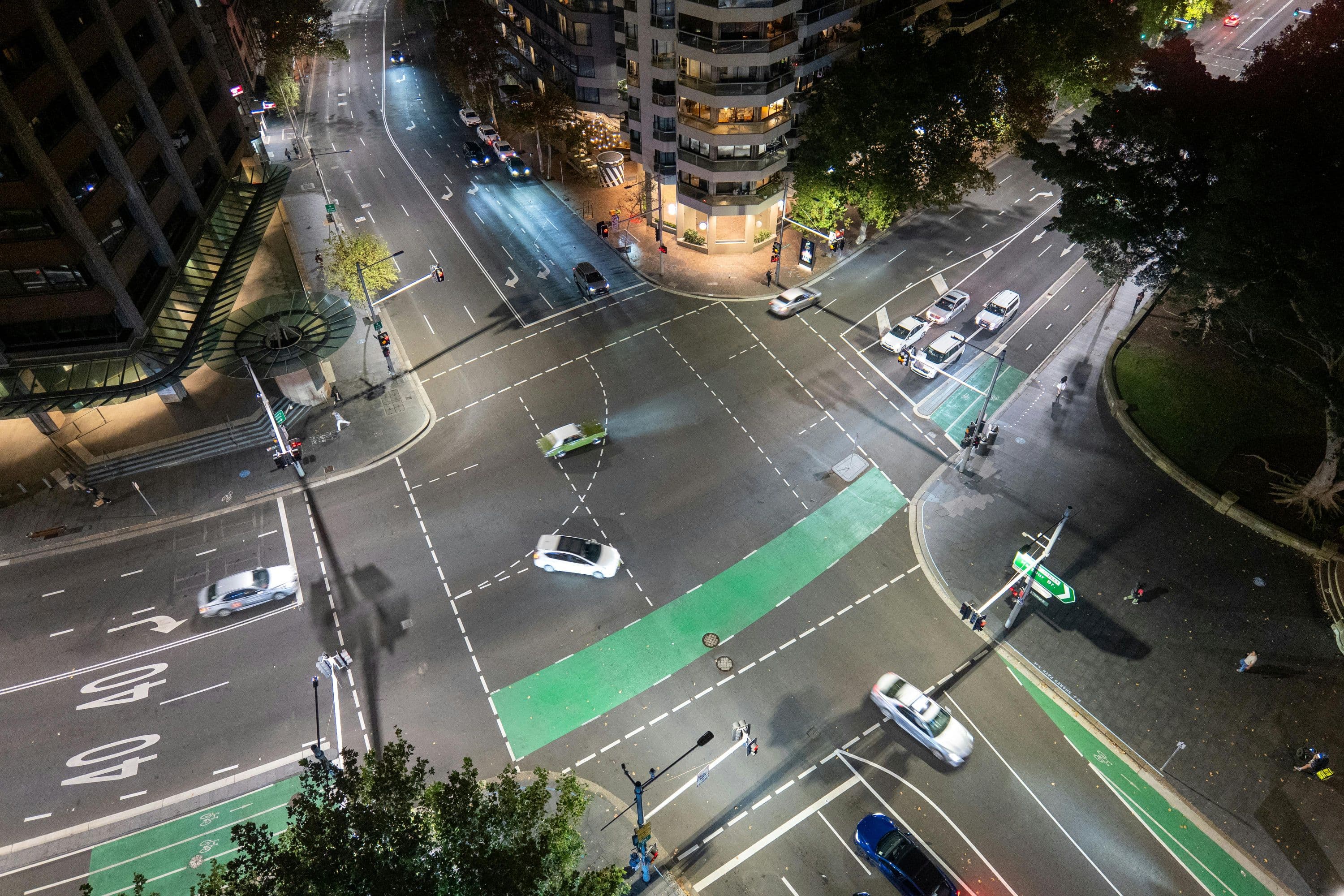
Priya and Liam are looking at two near-identical two-bedroom flats in inner-west Sydney. Same builder, same era, same floor plan. The difference is the street. Priya's preferred flat sits on a busy four-lane arterial road. Liam's is two minutes' walk away on a leafy side street.
| Priya (on the arterial) | Liam (on the side street) | |
|---|---|---|
| Listing price guide | $795,000 | $870,000 |
| Daytime traffic noise (typical) | ~ 65 to 70 dB(A) | ~ 50 to 55 dB(A) |
| Sleep disruption risk | Higher; many tenants run white noise or earplugs | Low |
| Air quality at the front window | Higher PM2.5 and NO2 from passing vehicles | Closer to suburb baseline |
| Time on market when reselling | Often longer; narrower buyer pool | Shorter; broader pool |
| Closeness to bus, train, shops | Strong; the road is the transport spine | Slightly further, still walkable |
The list-price gap looks like a good deal on day one. Whether it holds up depends on what Priya plans to do with the flat. If she rents it out for five years and the tenants take turns moving on every twelve months, the noise discount can quietly bleed back through vacancy and re-letting. If she lives in it and works from home, she will hear the road every working hour. The math is rarely as simple as the price tag suggests.
Beyond the price tag
Three lived-experience angles that the discount does not capture.
1. Noise and sleep
Traffic noise is now treated as a public-health issue, not just a lifestyle nuisance. The World Health Organization's Environmental Noise Guidelines for the European Region concluded that road traffic noise increases the risk of ischemic heart disease, with effects measurable from around 53 dB(A) of average daytime exposure. Australia's enHealth guidance (2018) summarises similar evidence for Australian conditions, including sleep fragmentation and elevated stress hormones at night-time exposures common on arterial roads. Recent Sydney research by the Victor Chang Cardiac Research Institute has reinforced the link between sustained traffic noise and cardiovascular strain.
2. Air quality and health
Vehicle exhaust drops off quickly with distance, but the kerbside is the worst place to be. Studies of inner-suburban arterials consistently show elevated nitrogen dioxide and fine-particulate concentrations in the first 50 to 100 metres from the road, which translates into measurably higher rates of asthma exacerbation in children living directly fronting onto major roads. The shift to electric vehicles will help over time, particularly for noise. Particulate emissions from tyres and brakes will not disappear with the engine.
3. Safety, parking and daily friction
Reversing onto a busy road in peak hour is a small daily stressor that compounds. So is finding a park if your visitor space is on the road shoulder. Families with younger kids and pets typically rule out main-road frontages early in their search for these reasons alone, which narrows your future buyer pool when you go to sell.
When a main-road home can still make sense
Not every main-road property is a bad buy. The honest list of situations where it works:
- Apartments with strong acoustic glazing and a quiet rear aspect. Modern double-glazed buildings with main bedrooms set back from the road can absorb most of the noise penalty.
- Period homes on signature boulevards. Some Australian arterial roads are also the most architecturally significant streets in their suburb. The character premium can offset the noise discount.
- High-yield rentals near transport hubs. Closer to the bus, train, light rail and shops can mean lower vacancy and stronger gross yields, which matters more for some investors than capital growth.
- Future-zoning plays. Some main-road frontage carries higher density entitlement under the local planning instrument, which can be valuable if you are willing to wait.
In each case the right move is to go in with eyes open. Read the contract, pull the traffic count, walk the property at peak hour, and price the noise into your offer.
Common misconceptions
- "It is fine because the apartment faces the back." A rear aspect helps a lot, especially if the building was designed with the noise in mind. It does not protect the front rooms, the foyer, the visitor parking experience, or the eventual buyer pool.
- "I'll just put up double-glazed windows." Acoustic glazing helps. It will not turn a 70 dB(A) main road into a side street, and it does nothing about the air quality, the parking, or the resale buyer pool.
- "Main-road properties always rent." They rent more easily, but they also turn over more often. Higher tenant churn means more vacancy weeks per decade and more re-letting fees. Some of the yield premium quietly goes back out the door.
- "It's not a main road, it's just busy at school drop-off." That can still be enough to drag the resale buyer pool. Pull the AADT count from your state transport open-data portal if you want a reality check before you make an offer.
- "The agent says it is a quiet street." Always walk it at peak hour and after 9pm. Listings tend to be photographed at 11am on a Sunday for a reason.
Frequently asked questions
Related reading
 Critical property factor
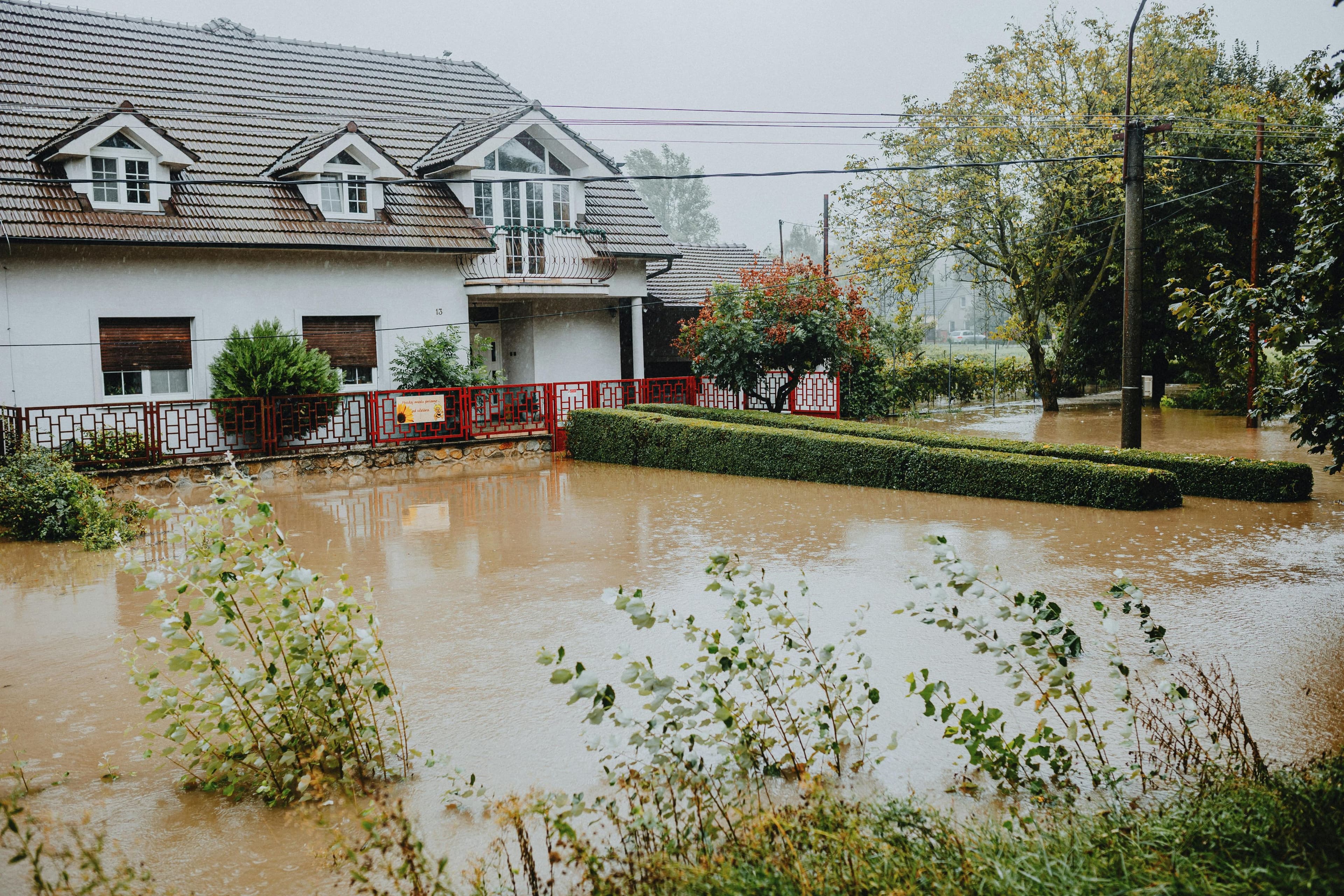
Flood zones in Australia: what every property buyer should know
Flood-zone homes trade at around an 8.5% discount and lag the market for years. Here is what every Australian buyer should weigh before making an offer.
 Critical property factor
Why bushfire-zone homes trade at a premium, until they don't
Building a home to BAL-29 can add $30,000 to the price. The full picture of what bushfire-zone living costs Australian buyers, from construction to insurance to resale.
 Important property factor
How much is a north-facing house actually worth?
Australian buyers paid an average of $375,500 more for north-facing homes in 2025. And 'north-facing' does not mean what most first-time buyers assume.