


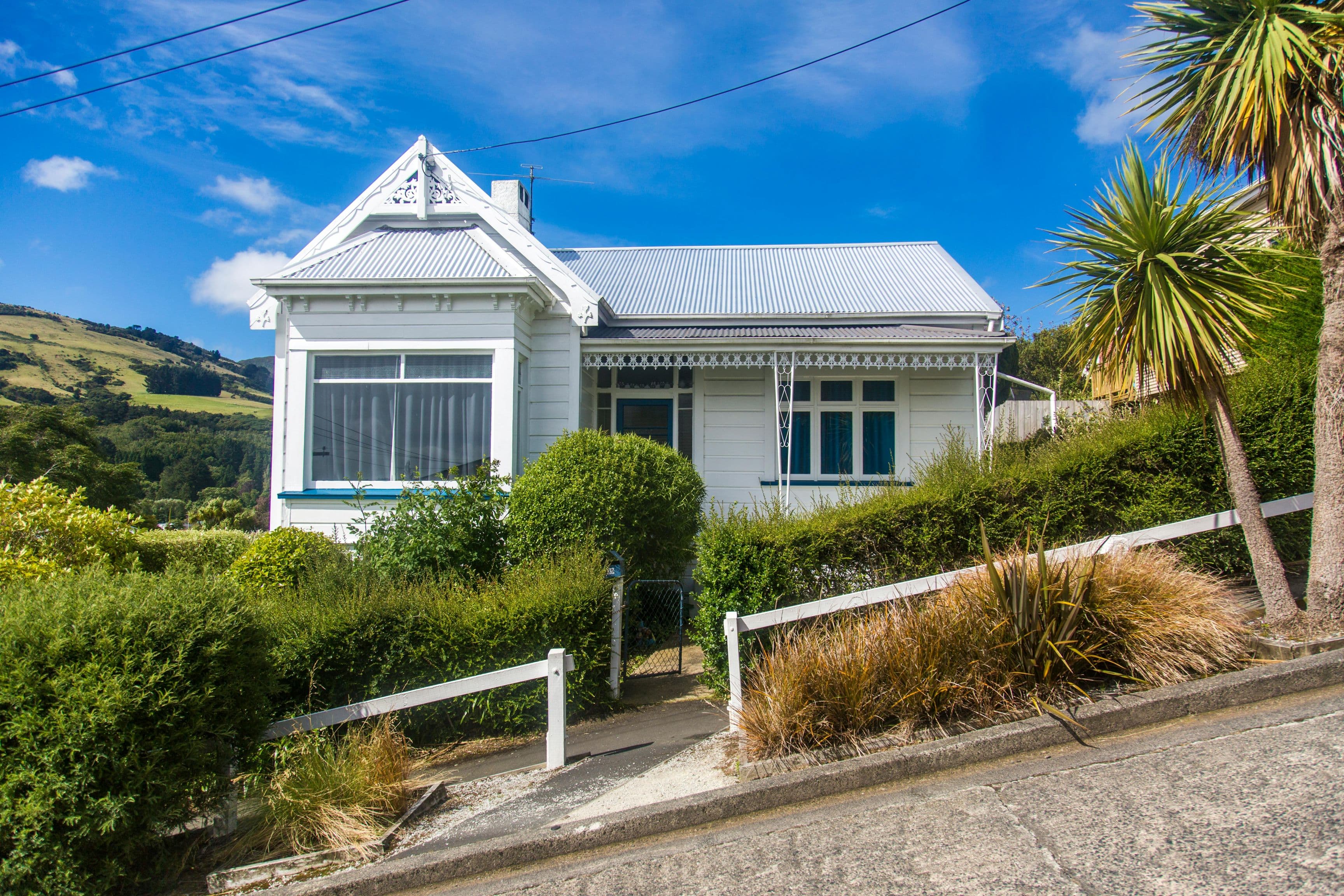
Key takeaways
- Sloping blocks add roughly $10,000 to $15,000 per metre of fall to a new build, before retaining walls, drainage and ongoing maintenance.
- The market often discounts sloping blocks at purchase. The right design can recapture (and sometimes exceed) that discount through views, split-level character and architectural distinction.
- For families, the bigger hidden cost is yard usability. Steep blocks compromise the play space, the vegetable patch, the pet run, and the things kids actually use a yard for.
- PropCompare's default analysis leans toward flat blocks because that suits most buyers. The case for slope is real, but it is a niche case, not a default one.
What "sloping block" actually means
A sloping block is land that drops noticeably from one side to the other. In Australia, builders and valuers usually classify slope by the rise across a 20-metre stretch:
- Flat (0 to 5%): less than 1 metre of fall across a 20-metre block. Effectively level for build purposes.
- Moderate (5 to 10%): 1 to 2 metres of fall. Manageable with standard slab-on-ground construction in most cases, but starts pulling in cut-and-fill and modest retaining.
- Steep (over 10%): more than 2 metres of fall. Now you are in split-level, suspended-slab, piering and serious retaining wall territory.
A few terms you will see in builder quotes and engineering reports:
- is the standard way to flatten a moderate slope.
- is what you switch to when cut-and-fill becomes uneconomic.
- is the recurring cost line on any sloping build.
- is the cheaper alternative when there is no need for usable yard right at the edge.
The slope band matters because cost compounds with gradient. A 1.5-metre fall on a 20-metre block costs less than twice what a 1-metre fall costs. A 4-metre fall costs more than four times.
The hidden bills
The block itself is often cheaper than the flat equivalent. The trouble shows up at quote stage.
Source: Australian builder cost guides, consistent across multiple state-based providers. The figure covers excavation, retaining, piering and drainage. It does not include design fees, suspended-slab construction or premium finishes.
In practical numbers: a moderate 2-metre-fall block typically adds $20,000 to $50,000 to the build over a flat equivalent. A steep 4-metre-fall block can add $50,000 to $150,000 or more once piering, suspended slabs and meaningful retaining come in. Retaining walls alone in Australia run roughly $250 to $700 per square metre depending on material (timber sleepers at the cheap end, reinforced concrete at the top), and a single sloping block can easily need 30 to 60 square metres of retaining.
Drainage adds another line. Water moves down a slope by default, which means a sloping block needs more comprehensive stormwater capture, retention pits, and sometimes subsurface drainage to keep water from undermining the foundations or pooling at the lowest point. Drainage failures are also the most common cause of retaining wall collapse, which becomes a six-figure correction down the track.
These costs are the ones the builder talks about. The ones the builder cannot quote are the maintenance years from now: a retaining wall has a useful life of 20 to 50 years depending on material, and replacing one inside a built-out backyard is a logistical exercise on top of the materials bill.
Aisha and Marcus: same suburb, two blocks
Aisha and Marcus are looking at two corner blocks in an outer-suburb pocket of Brisbane. Same suburb, same size, same orientation. Aisha's preferred block is essentially flat, with about 30 centimetres of fall corner to corner. Marcus's preferred block has a 2.8-metre fall front to back, classified moderate to steep.
| Aisha (flat block) | Marcus (sloping block) | |
|---|---|---|
| Land price guide | $520,000 | $465,000 |
| Estimated extra site cost on build | Standard inclusions | $30,000 to $60,000 in cut, retain, drain |
| Useful backyard area | Almost the full block | ~ 60 to 70% of the block (rest is batter and retaining) |
| Suitability for kids and pets | Strong; flat lawn, easy supervision | Moderate; level pad usable, slope edges fenced off |
| Architectural opportunity | Standard floor plan options | Split-level designs and elevated outlook can shine |
| Buyer pool when reselling | Broad; suits most family buyers | Narrower at first; design-conscious buyers often pay up |
The day-one savings for Marcus look attractive. Whether they hold depends entirely on the build. A boxy project home dropped onto a steep block fights the slope for the next 30 years and recovers very little of the discount at resale. A well-designed split-level home that uses the slope (deck cantilevered out for the view, lower-level rumpus opening to a level pad, ground entry from the street) can match or exceed Aisha's resale outcome. The slope is not the problem. The match between the block and the design is.
When a sloping block actually pays off
There is a real case for slope. It rests on three things that flat blocks cannot give you.
- The view. Even modest elevation in the right suburb opens up cityscapes, valley outlooks or coastal lines that flat blocks do not have access to. View premiums are some of the most durable in Australian property.
- Architectural distinction. A split-level home with a level walking entry, a sunken living room and a deck that hovers over the slope is a memorable home. Memorable homes attract buyers who are buying with their hearts as much as their spreadsheets, and that buyer pool tends to be less price-sensitive at resale.
- Privacy and natural drainage. Higher-side neighbours are looking down on you; lower-side neighbours have their roof below your kitchen. Slope creates separation. It also moves water away from your foundations rather than toward them, when the design is right.
Three things have to be true to capture this case. You need a designer (architect or experienced building designer) who has worked on slopes before. You need a healthy contingency budget on top of the base build (10 to 15% is sensible). And you need to be buying for the long hold, because the architectural premium typically takes a full cycle to read through to comparable sales.
Beyond the price tag
Three angles the day-one numbers miss.
1. Ongoing maintenance
Retaining walls move. Soil moves. Water moves. A sloping block has more of all three than a flat one, and the maintenance bills compound. Budget several thousand dollars every five to seven years for retaining wall repairs, drainage flushing and slope-stabilisation work as you settle in.
2. Yard usability for families
This is the angle that quietly hurts resale. A 2-metre-fall block looks fine in a sunny photo. The lived experience for a family with kids is that perhaps 60 to 70% of the lawn is genuinely usable, the rest is batter or off-limits. Tenants with children avoid steep blocks for the same reason, narrowing your rental market if you ever want to lease the property.
3. Future renovation friction
Adding a pool, a granny flat, a shed, or extending the rear of the house all become more complex on a slope. Each will involve fresh structural engineering, new retaining and a higher contractor quote than the equivalent on flat land. Future-you will pay every time you want to change the property.
Common misconceptions
- "The land is cheaper, so I'll come out ahead." Sometimes. Often not. The discount on the land has to cover the build premium plus 30 years of maintenance. Run both numbers before treating the discount as savings.
- "I'll just batter the slope to avoid a retaining wall." A battered cut consumes useful land. On a small block, the trade is between a wall and a yard. Most buyers eventually wish they had built the wall.
- "Project home builders all build on slopes." Most builders technically can, but few do it well. Specialist sloping-block builders, custom builders and architects with slope experience produce dramatically different outcomes for the same block.
- "It will be fine because the build is on stumps." Stumps and piers are part of the answer, not the answer. The driveway, the entry path, the stormwater system and the yard all still have to deal with the slope.
- "The view alone will pay for it." A view captures part of the cost. Whether it captures all of it depends on the design, the suburb and the buyer in front of you ten years from now.
Frequently asked questions
Related reading
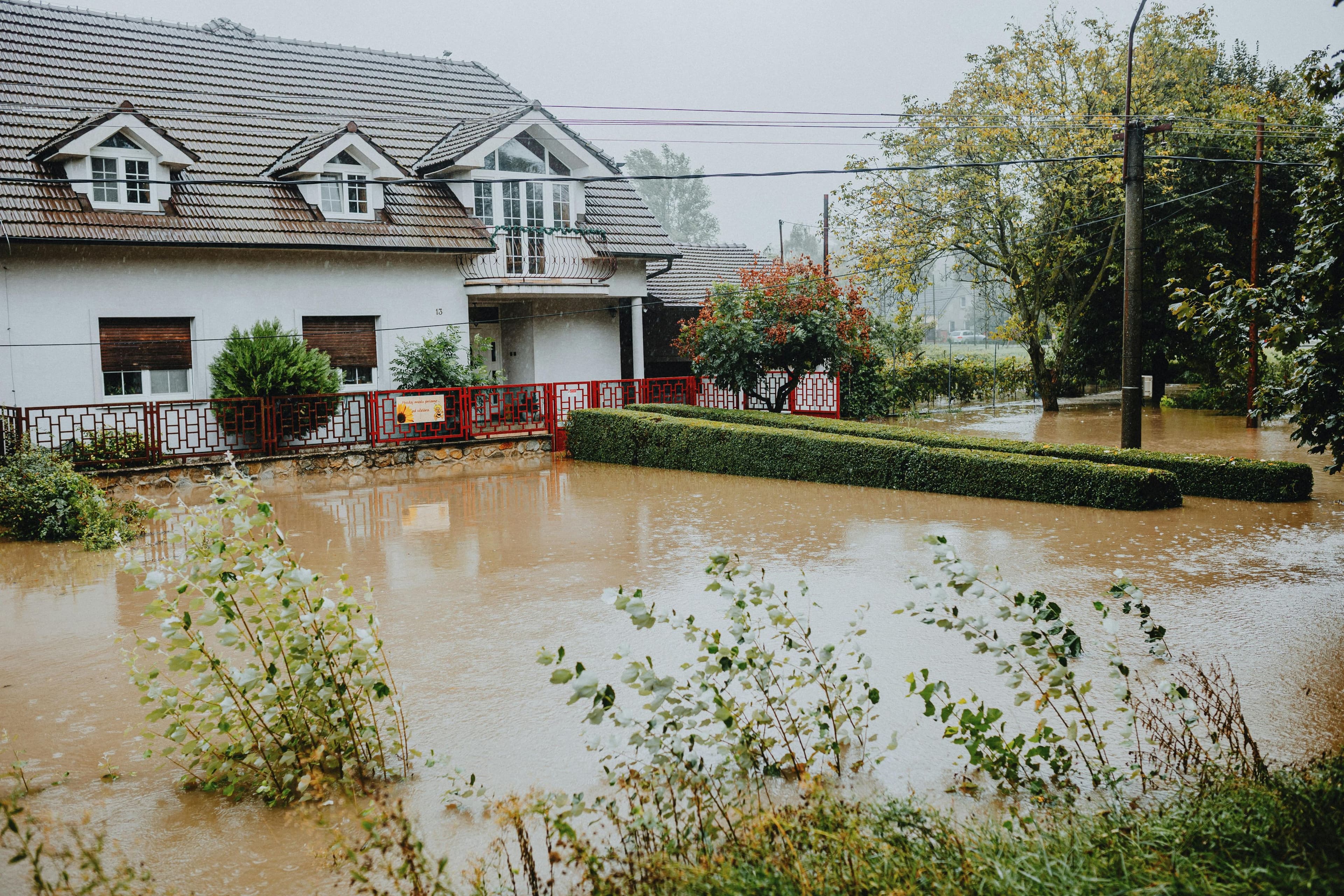 Critical property factor
Flood zones in Australia: what every property buyer should know
Flood-zone homes trade at around an 8.5% discount and lag the market for years. Here is what every Australian buyer should weigh before making an offer.
 Critical property factor
Why bushfire-zone homes trade at a premium, until they don't
Building a home to BAL-29 can add $30,000 to the price. The full picture of what bushfire-zone living costs Australian buyers, from construction to insurance to resale.
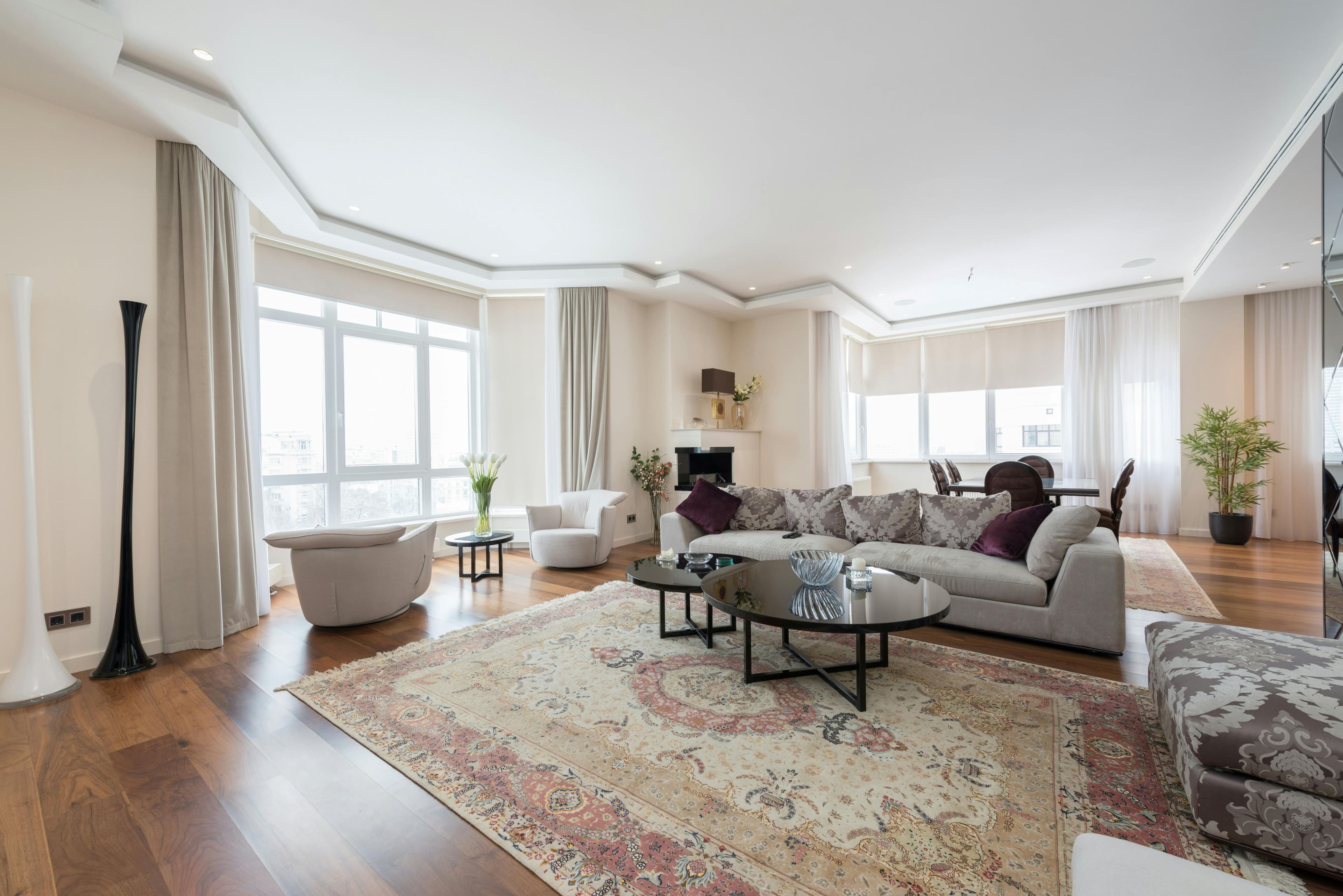 Important property factor
How much is a north-facing house actually worth?
Australian buyers paid an average of $375,500 more for north-facing homes in 2025. And 'north-facing' does not mean what most first-time buyers assume.